

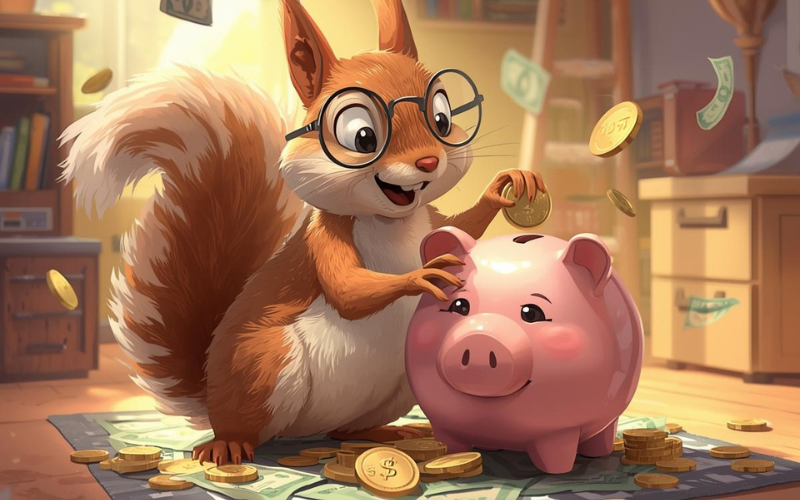
A row is brewing over the cost of an advertising campaign supporting Rachel Reeves’ goal of creating a “nation of investors”.
The UK Retail Investment Campaign, an industry-funded “hearts and minds” retail investing campaign designed to broaden participation in the stock market, is set to launch in April at a cost of up to £30mn over three years. Investment platforms AJ Bell, Interactive Investor, Trading 212, Freetrade and Octopus Money have withdrawn from the project, principally on cost grounds. But the effort to encourage people sitting on excess savings (estimated at more than £600bn) to put more into investments has been backed by 18 large financial institutions, including Barclays, Lloyds and NatWest, and Fidelity International.
Criticisms seem unfair.
First, the cost. Politico reported the campaign could cost as much as £120mn over three years. But a cheaper option costing around £7mn-£10mn a year for three years from M+C Saatchi and the7stars was selected in October. That puts the bill in perspective.
Second, I don’t think taking a pop at the draft for the creative campaign, is either. The campaign is expected to be fronted by a “savvy” red squirrel. Leaked slides seen by the FT of the proposed design, by media agencies M+C Saatchi and the7stars, included two apparently AI-generated images of red squirrels, one in a hot tub and another lounging with a drink by a pool in a Hawaiian shirt.
Now the businesses taking part in the campaign confirmed that these were shown to participants in December, and it was considered the preferred option. Don’t turn around and criticise it now.
And some commentators have compared this with a 2006 Abbey National building society Isa campaign, which initially featured a grey squirrel before being switched to red under the weight of activist pressure. I cannot imagine the general public remembering or caring about this.
Another commentator suggests the squirrel concept risks infantilising the people the industry needs to reach. I don’t agree. Brand awareness campaigns need to be eye-catching. A mascot is a brand asset that consistently outperforms logos and slogans in long-term recognition. It’s a smart way to make a financial product (or surveys, for that matter – see Bruce the Beaver, Houzecheck’s corporate mascot) memorable. Not only that, a mascot personifies brand attributes: while Bruce the Beaver is reliable and hardworking – reflecting the persona of surveyors, squirrels obviously tuck away nuts for the fallow months. Bang on message. And as well as driving instant visual recall and building familiarity, mascots position a brand as distinctive, especially within undifferentiated markets. CEOs, CMOs and sales directors in mortgage firms will recognise this problem. Many brands remain transactional. Indistinct. The squirrel should help develop an emotional connection with consumers and humanise brand perception.
Barclays has been represented by an eagle since the 1720s. A black horse is still good enough for Lloyds. Established icons all started somewhere. Give the savvy red squirrel the same chance to prove itself.
Read our next blog on: 2026 Edelman Trust Barometer: what FS needs to know